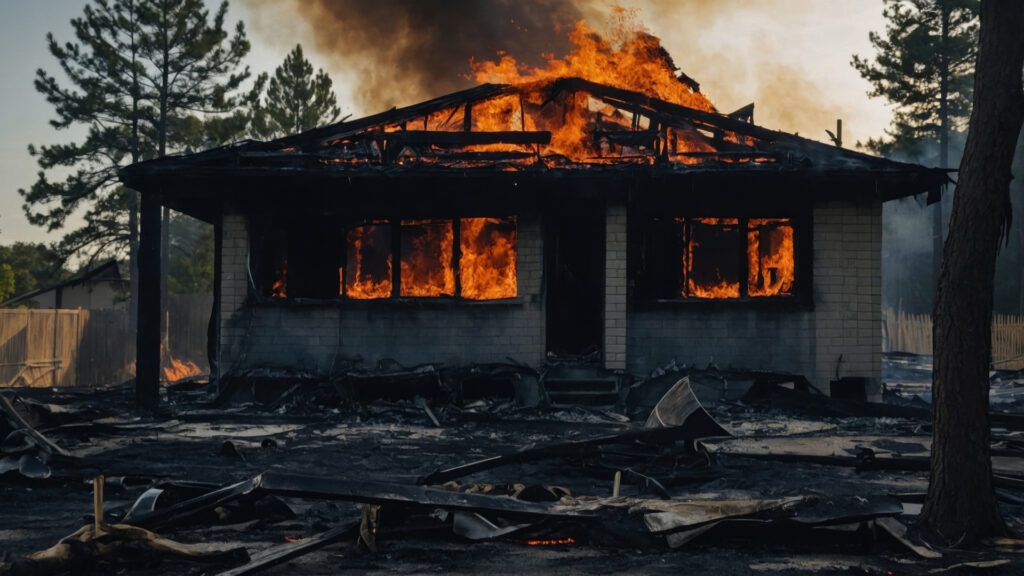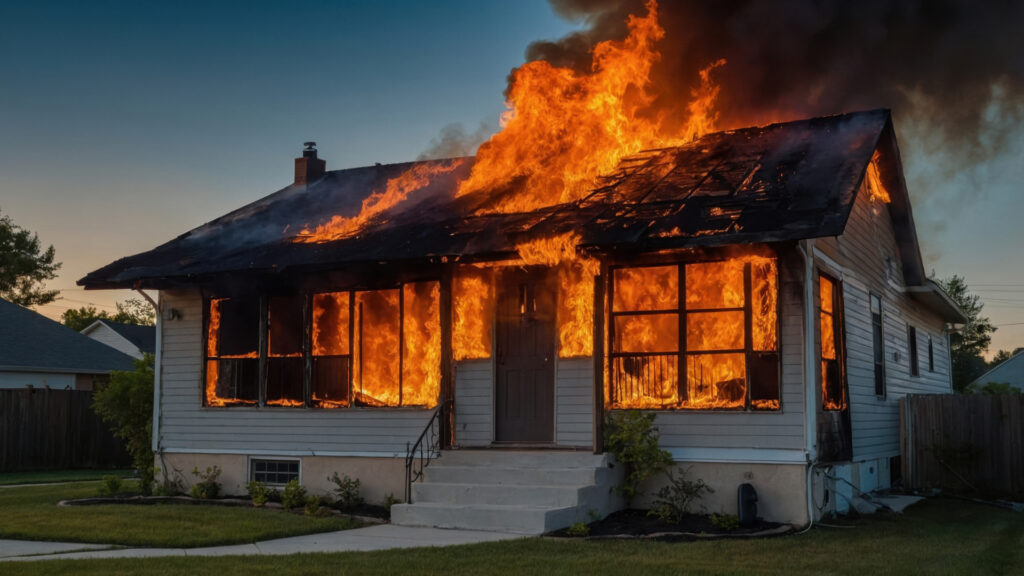
A house fire moves fast. You have as little as two minutes to get out once the smoke alarm sounds, according to the National Fire Protection Association. These fire safety tips for homeowners help you protect your family and your Atlanta home before a fire ever starts. Prevention costs little. Recovery costs a lot.
House fires remain common across the country. The National Fire Protection Association estimated 329,500 home structure fires in the United States in 2024, which caused 2,920 deaths and about $11.4 billion in property damage (NFPA). Atlanta Fire Rescue responds to thousands of fire calls each year across 132 square miles of the city (Atlanta Fire Rescue Department). Most home fires start from preventable causes. This guide gives you the steps to lower your risk.
Why Does Fire Safety Matter for Atlanta Homeowners?
Fire safety matters because most house fires come from daily habits, not freak accidents. The Atlanta Fire Rescue Community Risk Reduction team reports that most fire accidents happen from carelessness, negligence, or lack of awareness.
Atlanta homes face specific risks. The city has a mix of historic neighborhoods and older housing stock. Older homes often hold outdated wiring built for fewer appliances. Cold-weather months bring heavier use of space heaters and fireplaces. NFPA data shows 46% of home structure fires happen between November and March.
Fire prevention for families is a routine, not a one-time task. The steps below turn that routine into a clear plan.
What Are the Most Common Fire Hazards in Homes?
The most common fire hazards in homes are cooking equipment, heating equipment, electrical systems, and smoking materials. NFPA research lists these as the top causes of residential fires.
| Fire hazard | Why it starts fires | Where it happens |
| Cooking equipment | Unattended stoves and grease ignite fast | Kitchen |
| Heating equipment | Space heaters near flammable items overheat | Living areas, bedrooms |
| Electrical systems | Overloaded circuits and old wiring fail | Whole home, older homes most |
| Smoking materials | Lit cigarettes ignite furniture and bedding | Living rooms, bedrooms |
Cooking is the leading cause of house fires. NFPA research found cooking led to an average of 158,400 home fires each year from 2017 to 2021, and unattended equipment was a factor in 29% of home cooking fires. Knowing these hazards points you to the rooms that need the most attention.
Kitchen Fire Prevention Tips
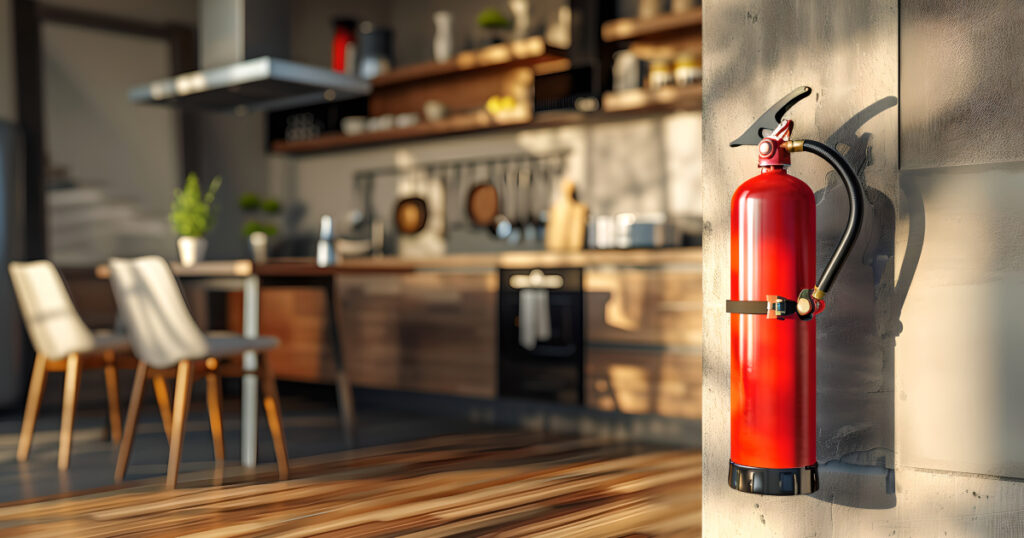
Stay in the kitchen when you cook. Most house fires start there, and unattended cooking is the top cause.
Follow these kitchen fire prevention tips:
- Stay in the room when you fry, grill, or broil food
- Turn off the stove if you leave the kitchen, even for a short time
- Keep towels, paper, packaging, and curtains away from the stovetop
- Wear shorts or close-fitting sleeves while you cook
- Keep a lid nearby to smother a small grease fire
- Never pour water on a grease fire
- Clean grease off stovetops and oven surfaces often
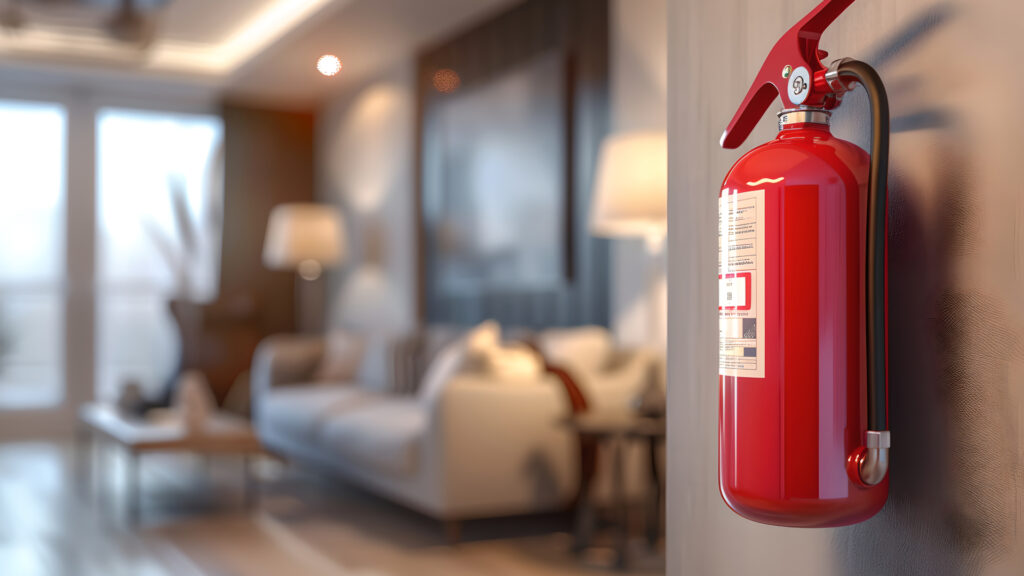
Keep a fire extinguisher in the kitchen and learn how to use it before you need it. Test it once a month. Place it within reach of an exit, not behind the stove.
Electrical Fire Safety Tips
Inspect your wiring and outlets, and stop overloading circuits. Electrical systems cause tens of thousands of home fires each year.
Follow these electrical fire safety tips:
- Stop running extension cords under rugs or across doorways
- Replace cords that are frayed, cracked, or warm to the touch
- Avoid plugging multiple high-wattage appliances into one outlet
- Use surge protectors instead of daisy-chained power strips
- Watch for warning signs: flickering lights, buzzing outlets, burning smells
- Hire a licensed electrician if breakers trip often
Fire hazards in older homes deserve extra care. Many older Atlanta houses have wiring built decades ago. If your home is more than 40 years old or you have never had the electrical system checked, schedule an inspection with a licensed electrician.
Heating and Fireplace Safety
Keep anything that burns at least three feet away from heating equipment. Heating gear is the second leading cause of home fires, and the risk climbs in winter.
Follow these heating safety steps:
- Place space heaters on a hard, flat surface away from foot traffic
- Keep heaters three feet from furniture, bedding, and curtains
- Plug space heaters directly into a wall outlet, never a power strip
- Turn off space heaters when you leave the room or go to sleep
- Have your furnace inspected by a professional each year
- Schedule a chimney inspection and cleaning before fireplace season
- Use a metal screen in front of an open fireplace
Never leave a fire in the fireplace unattended. Let ashes cool fully, then store them in a metal container outside, away from the house.
Smoke Detector Safety Tips
Install working smoke alarms on every level of your home, inside every bedroom, and outside each sleeping area. Working smoke alarms cut your risk of dying in a home fire by about half, according to the NFPA.
Follow these smoke detector safety tips:
- Install alarms inside each bedroom and in the hallway outside sleeping areas
- Put at least one alarm on every level, including the basement
- Mount alarms on the ceiling, or on a wall 4 to 12 inches below the ceiling
- Keep alarms at least 10 feet from the stove to reduce false alarms
- Use interconnected alarms so that when one sounds, they all sound
- Test every alarm once a month
- Replace batteries at least once a year
- Replace the entire alarm unit every 10 years
NFPA data shows 59% of home fire deaths happen in homes with no working smoke alarms. Add carbon monoxide alarms on every level, too. Carbon monoxide is colorless and odorless, and a fire is not the only source.
How Do You Make a Home Fire Escape Plan?
Draw a floor plan of your home and mark two ways out of every room. A fire escape plan gives your family seconds that matter.
Build your fire emergency preparedness plan with these steps:
- Walk through your home and find two exits from each room, including windows.
- Draw a simple floor plan and mark every exit and every smoke alarm.
- Pick one outside meeting place, a safe distance from the house.
- Teach everyone the sound of the smoke alarm.
- Practice the plan twice a year, including once at night.
- Teach children to feel a door before opening it and to stay low under smoke.
- Agree on one rule: once you are out, stay out.
Call 911 from outside or a neighbor’s home. Tell the dispatcher if someone is missing. Firefighters have the training and gear to perform rescues.
Fire Safety Checklist for Homes
Use this fire safety checklist for homes as a quick review. Run through it every season.
- Smoke alarms are installed on every level and in every bedroom
- Smoke alarms tested this month
- Carbon monoxide alarms installed and tested
- Fire extinguisher in the kitchen, checked and within reach
- Stovetop and oven cleaned of grease buildup
- Extension cords and outlets are free of damage and overload
- Space heaters should be placed three feet from anything that burns
- Furnace and chimney inspected within the past year
- Dryer lint trap and vent cleaned
- Two escape routes are clear in every room
- Escape plan practiced with the whole family
- Outside meeting place agreed on
How Firemaster Restorations Supports Atlanta Homeowners
Firemaster Restorations helps Atlanta homeowners before and after a fire. The team understands local housing, including the wiring and heating risks common in older Atlanta homes.
When a fire does happen, Firemaster Restorations provides fire and smoke damage cleanup, soot removal, structural cleaning, odor removal, and full property restoration. The team also documents the damage to support your insurance claim. Fast response limits permanent damage and lowers the final cost of recovery.
Key Takeaways
- Most house fires come from cooking, heating, and electrical hazards, all of which you control.
- Stay in the kitchen while you cook, since unattended cooking is the top cause of home fires.
- Install working smoke alarms on every level and in every bedroom, since they cut fire death risk by about half.
- Older Atlanta homes need an electrical inspection, since outdated wiring raises fire risk.
- Build and practice a home fire escape plan, since you have as little as two minutes to get out.
Frequently Asked Questions
What is the leading cause of house fires?
Cooking is the leading cause. NFPA research links cooking to an average of 158,400 home fires each year, and unattended cooking is the most common factor.
How many smoke alarms does my home need?
Install one inside every bedroom, one outside each sleeping area, and at least one on every level, including the basement. A three-bedroom home usually needs five or six alarms.
How often should I test my smoke alarms?
Test every alarm once a month. Replace batteries at least once a year, and replace the whole unit every 10 years.
Are older Atlanta homes at higher fire risk?
Older homes often have outdated wiring built for fewer appliances. Overloaded circuits raise the risk of electrical fires. A licensed electrician should inspect older homes.
What should I do the moment a fire starts?
Get everyone out using your escape plan. Stay low under the smoke. Do not stop for belongings. Call 911 from outside, and never go back in.
How do I put out a small grease fire?
Turn off the heat and cover the pan with a metal lid to smother the flames. Never use water on a grease fire, since water spreads burning grease.