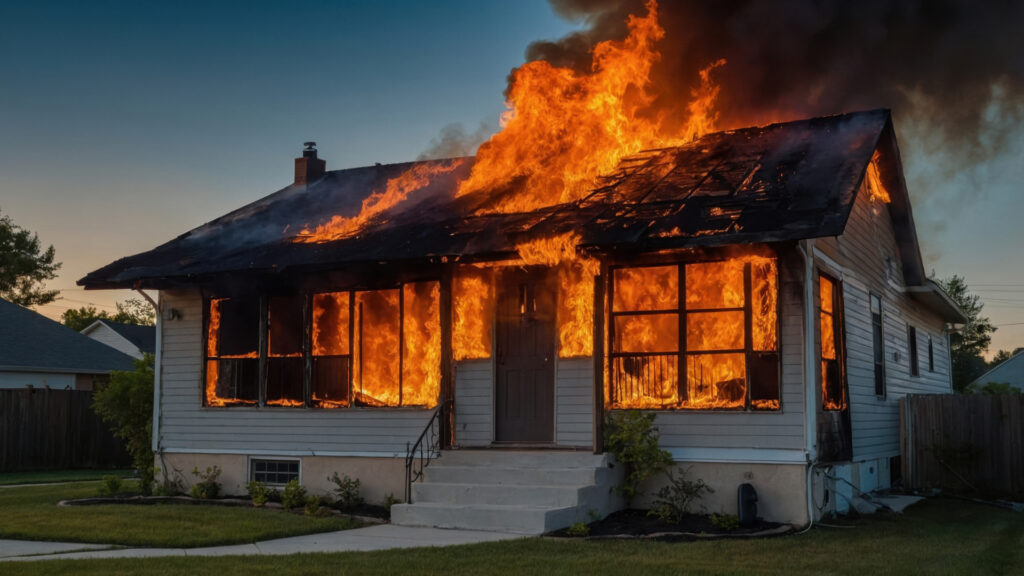
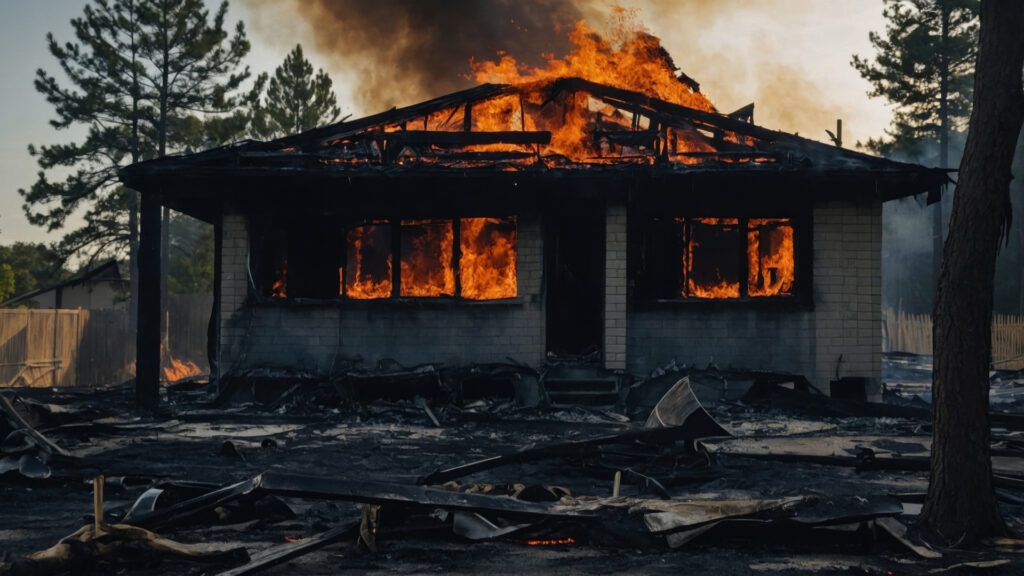
A house fire ends, but the threat to your home and health does not. What is soot? It is the fine black powder fire leaves behind when it burns materials without enough oxygen. After the flames stop, soot coats your walls, ceilings, furniture, and air. It looks like a cleaning chore. It is a health and property hazard. This guide explains what soot is, why soot damage after fire is dangerous, and how to handle it the right way.
House fires happen often. The National Fire Protection Association estimated 329,500 home structure fires in the United States in 2024, with about $11.4 billion in direct property damage (NFPA). Flames cause only part of that loss. Smoke and soot spread far past the burn point and keep harming your home after firefighters leave.
What Is Soot?
Soot is a fine black or dark brown powder made of carbon particles. It forms during incomplete combustion. Incomplete combustion happens when a fire burns fuel without enough oxygen to turn all the carbon into carbon dioxide.
In a house fire, soot is never pure carbon. Modern homes hold plastics, foams, synthetic fabrics, carpet, wood products, and electronics. When these burn, soot picks up acids, chemicals, and metals. The result is a toxic chemical mixture, not a simple dust.
Soot particles are small. Most measure 2.5 micrometers in diameter or less. A human hair is about 70 micrometers wide, around 30 times larger than the biggest fine particle (US EPA). This small size makes soot dangerous. It slips into your lungs, settles into porous surfaces, and travels through your home in the air.
Black soot after a fire is the visible sign of soot contamination. Invisible soot residue also coats surfaces you do not see, including inside HVAC ducts and wall cavities.
What Are the Types of Soot Damage in Homes?
Soot behaves in different ways. The burning conditions and the materials involved decide the type. The type matters because each one needs a different cleaning method.
| Type of soot | How it forms | What it looks like | Cleaning challenge |
| Dry soot | High-heat, fast fires from wood or paper | Powdery, dry, smears with pressure | Fine particles fall into cracks and porous surfaces |
| Wet soot | Low-heat, smoldering fires with plastics or rubber | Sticky, oily, thick, strong odor | Smears and sets stains if cleaned wrong |
| Protein soot | Burned food, grease, and meat | Near-invisible yellowish film | Strong lingering odor, discolors paint and finishes |
| Fuel oil soot | Furnace puffbacks and oil-based fires | Dense, greasy, spreads fast | Contaminates HVAC systems and entire rooms |
Why Is Soot Dangerous After a House Fire?
Soot is dangerous because its small particles enter your body with ease and carry toxic chemicals with them. The risk splits into two areas: your health and your property.
Health Risks of Soot
Soot particles are small enough to reach deep into your lungs. Some pass into your bloodstream. The US EPA names fine particles, known as PM2.5, as the air pollutant with the greatest risk to health (US EPA).
The dangers of soot exposure include:
- Respiratory problems such as coughing, worsened asthma, and bronchitis
- Reduced lung function and shortness of breath
- Heart problems, including irregular heartbeats and a higher risk of heart attacks
- Higher long-term cancer risk from toxic compounds in the residue
- A weakened immune system from chronic inflammation
- Eye, nose, and throat irritation
Soot exposure does not affect everyone the same way. Children, older adults, and people with existing heart or lung conditions face the highest risk. Infants are vulnerable too, since exposure affects developing respiratory systems.
The link between soot and disease goes back centuries. Doctors tied soot to cancer in chimney sweeps in the 18th century. That finding led the British Parliament to pass the Chimney Sweepers Act, one of the first occupational health laws. Scientific studies today still connect fine particle exposure to higher hospital admissions and premature death (American Lung Association).
One danger stands out. Airborne soot is often invisible. You breathe it without knowing. This makes indoor soot exposure during DIY cleanup a serious concern.
How Soot Damages Property?
Soot does more than stain. It is acidic. Left in place, it corrodes and discolors the surfaces it touches.
Soot contamination after fire causes:
- Permanent yellowing and etching on walls, ceilings, and finishes
- Corrosion of metal fixtures, appliances, and electronics
- Discoloration of grout, plastic, and countertops
- Damage to HVAC systems as particles settle inside ductwork
- Strong lingering odors trapped in porous materials like carpet and upholstery
Soot spreads. Fine particles travel through the air and the HVAC system. They reach rooms the fire never touched. A small kitchen fire leaves soot residue across a whole house. The longer the soot sits, the deeper the damage and the higher the restoration cost.
How Do You Clean Up Soot After a House Fire?
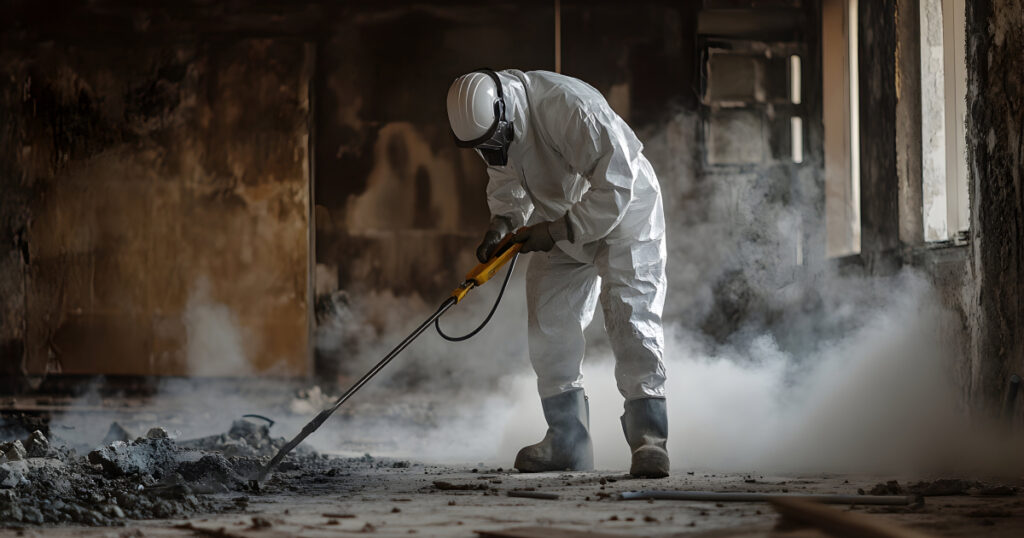
Limit your exposure and bring in trained professionals for anything past a small area. Soot cleanup after a house fire is not standard cleaning. Wrong methods spread the contamination and set stains for good.
If you enter a soot-affected home before help arrives, follow these soot cleanup tips:
- Wait until someone confirms the building is structurally safe to enter
- Wear an N95 respirator, gloves, long sleeves, and long pants
- Skip household fans and blowers, since they push soot particles into the air
- Skip standard upright vacuums, since beater bars grind soot into fibers
- Avoid touching or wiping soot, since that smears it and spreads the residue
- Keep children and pets out of the affected area
Professional fire soot removal follows a set process. Trained technicians assess the damage, contain the area, and match the method to each soot type. The general steps include:
- Assessment and containment. Technicians inspect the full scope of smoke and soot damage and seal off clean areas.
- Air filtration. HEPA vacuums and air scrubbers pull airborne soot particles out first.
- Dry cleaning. Chemical sponges lift dry soot from walls without smearing it.
- Wet cleaning. Degreasers and specialized solutions dissolve stubborn and oily soot residue.
- Deodorization. Thermal fogging and other treatments neutralize odors trapped at a molecular level.
- Final inspection and sealing. Technicians check surfaces and seal walls before repainting.
Restoration professionals advise against large DIY soot cleanup for a reason. The Colorado Department of Public Health and Environment reports that chemicals from smoke and soot keep releasing into indoor air for weeks after a fire (CDPHE). Proper cleanup protects your home and your lungs.
How Firemaster Restorations Handles Soot Damage?
Firemaster Restorations provides professional fire soot removal and smoke and soot damage cleanup for homeowners after a fire. The team identifies the soot type, contains the contamination, and uses trained methods matched to each surface and material.
Firemaster Restorations services include HEPA air filtration, structural cleaning, HVAC and duct decontamination, odor removal, and full property restoration. Speed matters. The sooner soot residue cleanup starts, the less permanent damage your home takes and the lower the final cost. Firemaster Restorations also documents the damage to support your insurance claim.
Key Takeaways
- Soot is carbon-based residue from incomplete combustion, mixed with toxic chemicals from burned household materials.
- Soot particles measure 2.5 micrometers or smaller, small enough to reach deep into your lungs and bloodstream.
- Health risks of soot include respiratory illness, heart problems, weakened immunity, and higher cancer risk. Children and older adults face the highest risk.
- Soot is acidic and spreads through the air, corroding surfaces and damaging rooms the fire never reached.
- Professional soot cleanup protects your health and limits permanent property damage. Act fast.
Frequently Asked Questions
What is soot made of?
Soot is mostly carbon particles from incomplete combustion. In a house fire, it also holds acids, metals, and toxic chemicals from burned plastics, fabrics, and other household materials.
Is soot dangerous to breathe?
Yes. Soot particles are small enough to enter your lungs and bloodstream. Short exposure irritates. Repeated or long exposure raises your risk of respiratory disease, heart problems, and cancer.
Should I clean soot myself after a house fire?
Small amounts on non-porous surfaces are manageable with proper protection. Large soot damage in homes needs professionals. Wrong cleaning methods smear soot, set stains for good, and spread particles into the air.
Why does soot smell so bad?
Smoke and soot odors embed into porous materials like carpet, drywall, and upholstery at a molecular level. The smell rarely fades on its own and often needs treatments like thermal fogging.
How long does soot stay dangerous after a fire?
Soot stays a hazard until someone fully removes it. Chemicals from soot and smoke keep releasing into indoor air for weeks after a fire, so fast cleanup matters.
Does soot damage spread to rooms away from the fire?
Yes. Fine soot particles travel through the air and the HVAC system. A small fire in one room leaves soot residue throughout the whole home.